
Workshops: Three Unforgettable Immersive Experiences
Adapted and translated from a post on the WeChat Official Account of The Central Academy of Drama (https://mp.weixin.qq.com/s/7F0cgXsGcgWiyYvYBGrcHw)
From October 20 to 22, the workshops for the WTEA International Theatre Festival 2025 were held at the Changping Campus of the Central Academy of Drama (CAD). In three distinct workshops, students and faculty from WTEA member schools honed their professional skills and explored the methodologies of diverse theatrical traditions through practice.
01 "The Beauty of the 'Jing' in the Realm of Peking Opera"
& "Exploring the Art of Peking Opera"
By the Central Academy of Drama, China
On the morning of October 20, Professor Zhao Yongdun and Associate Professor Sun Shangqi from the CAD led workshops in Room 110, Acting & Directing Studios Building. Their respective themes were "The Beauty of the 'Jing' in the Realm of Peking Opera" and "Exploring the Art of Peking Opera."
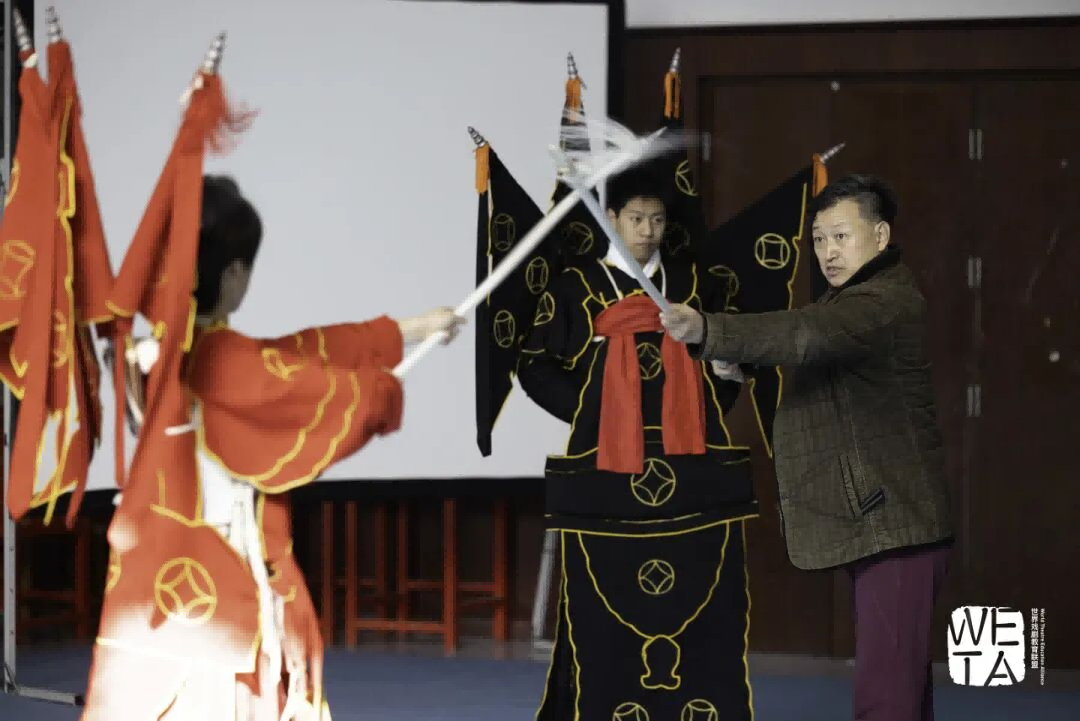
Prof. Zhao Yongdun (right)
Prof. Zhao's workshop delved into the performance style of the "Jing" (净, painted-face role, usually male) role in Peking Opera, focusing on the artistry behind its unique facial makeup and stylised physicality.
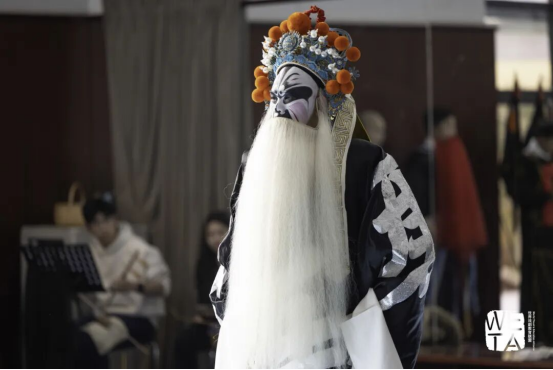
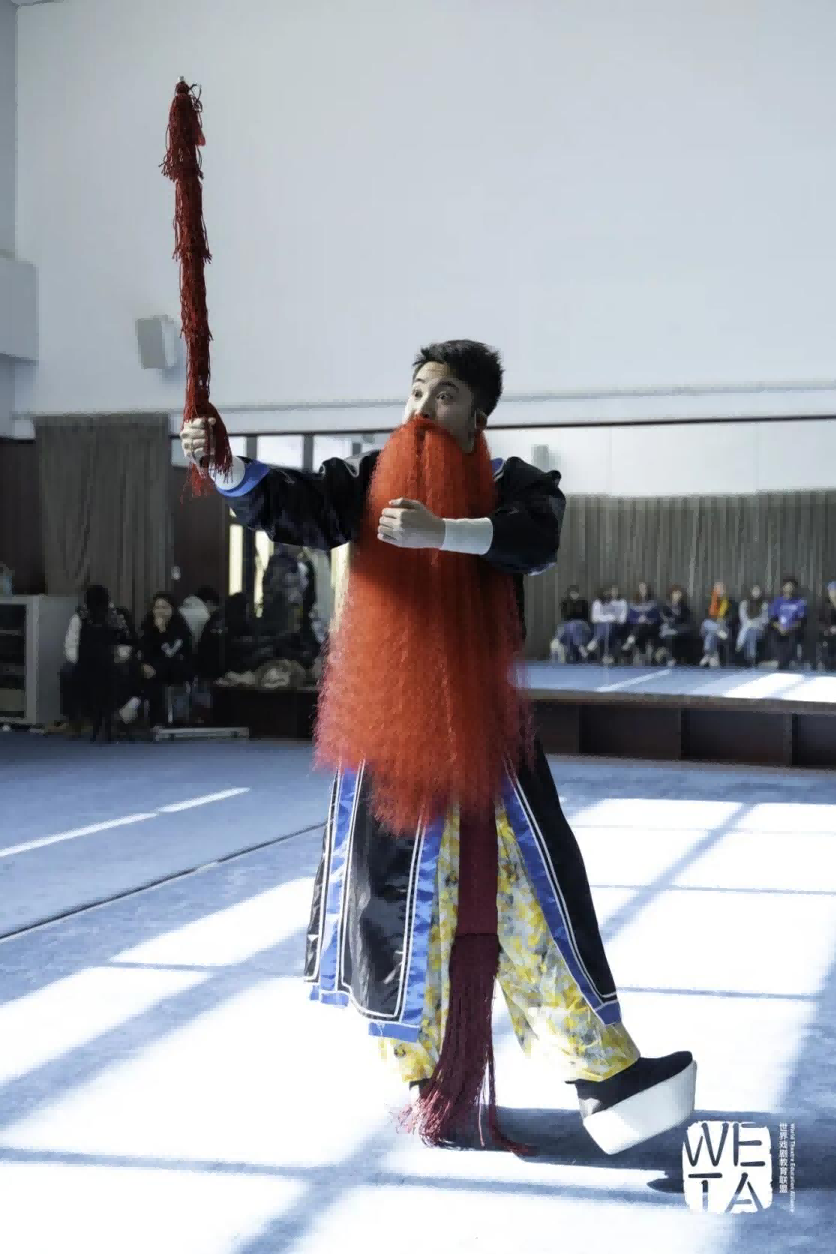
Student demonstrations
In the first part, Prof. Zhao guided students to demonstrate the artistic expression of the "Jing" role on stage through specific characters from the repertoire, following the sequence of singing, making speeches, miming, acrobatic fighting, and somersaults. The first student performed a segment from A Greenwood Hero Descending the Mountain. Under the instructor's guidance, the student used stylised Peking Opera movements to portray looking around and finding a path down the mountain while expressing the character's inner monologue through singing. Next, two students performed a combat sequence, with the instructor guiding their rhythm to showcase the technical skills of "Jing" role combat. The fourth student played Lian Po (a prominent General of the Zhao state in the Warring States period). The instructor used the student's makeup to explain the significance of different facial designs before guiding the student to focus on "singing," performing a passage where Lian Po reflects after a conflict, thus revealing another facet of the "Jing" role's artistic expression. The fifth student portrayed Lu Zhishen, performing scenes from Water Margin, including Lu's departure from Mount Wutai and arrival at the Grand Minister's Temple. This performance demonstrated the distinctive physical portrayal required for these unique "Jing" roles.
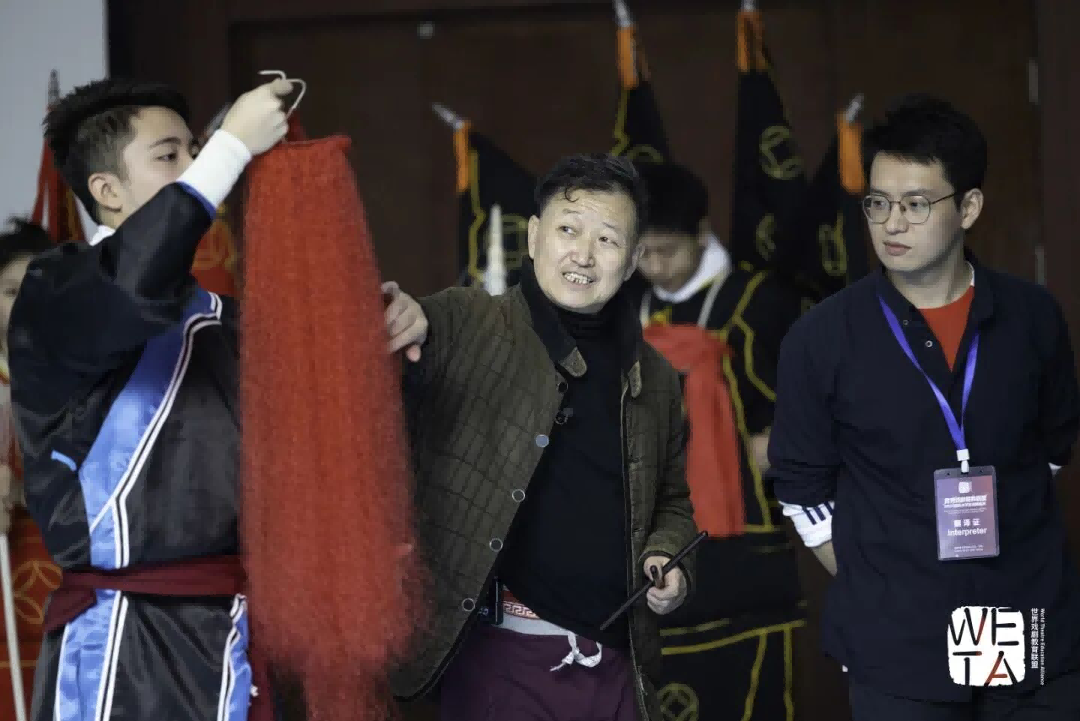
Prof. Zhao explains the artistic features of the "rankou" (髯口, artificial whiskers) for the "Jing" role
Following the student demonstrations, Prof. Zhao led an interactive session with the audience. By demonstrating stylised movements such as walking in platform shoes and specific hand gestures, he helped participants experience the traditional aesthetic concept of "Round Heaven and Square Earth" in Peking Opera, broadening their overall understanding of the art form. Additionally, the instructor used details like the wearing and colour of the "rankou" (artificial whiskers) to help students from various countries understand the personalities and actions of different "Jing" characters through accessories and props, thereby better grasping the stylised and symbolic nature of Peking Opera.
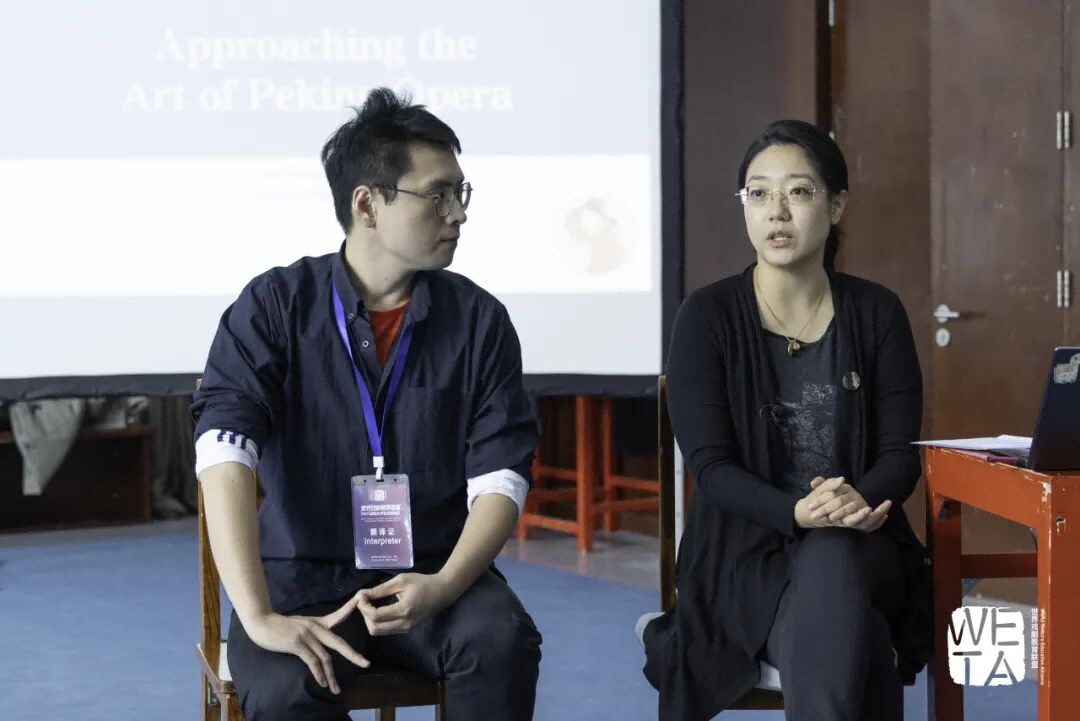
Associate Prof. Sun Shangqi (right)
The workshop "Exploring the Art of Peking Opera" was led by Associate Prof. Sun Shangqi, who specialises in the "guimendan" (闺门旦, young maiden) role in Kunqu Opera and the "huashan" (花衫, young vivacious female) role in Peking Opera. Her workshop used the "Four Skills and Five Methods" of Peking Opera as a starting point. Through demonstrations, explanations, interaction, and experience focused on female roles, the workshop showcased the aesthetic values of traditional Chinese art forms and the profound culture that underpins them.
In the first session, Associate Prof. Sun explained that Peking Opera's status as a "national essence" of art lies not only in its unique stage expressions, such as vocal techniques and stylised movements, but also in its complete, stylised system for representing life. She noted that because this stylised performance is not a simple imitation of life, it places great emphasis on the actor as a unified entity: the creator, the creative medium, and the creation itself.
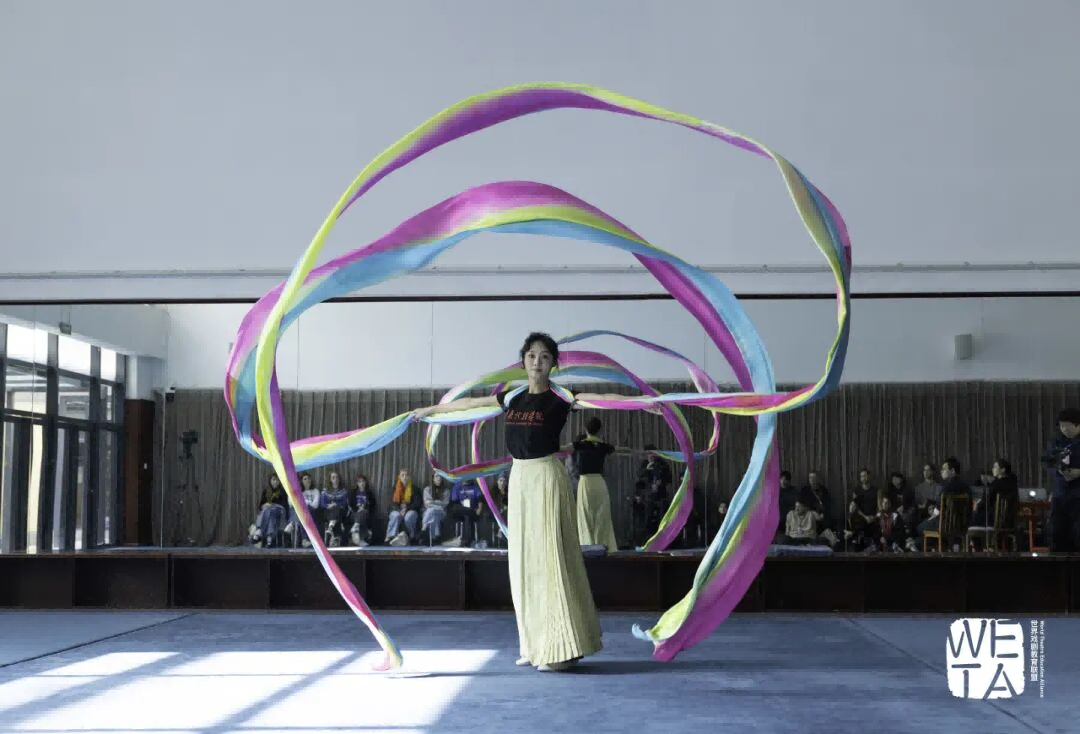
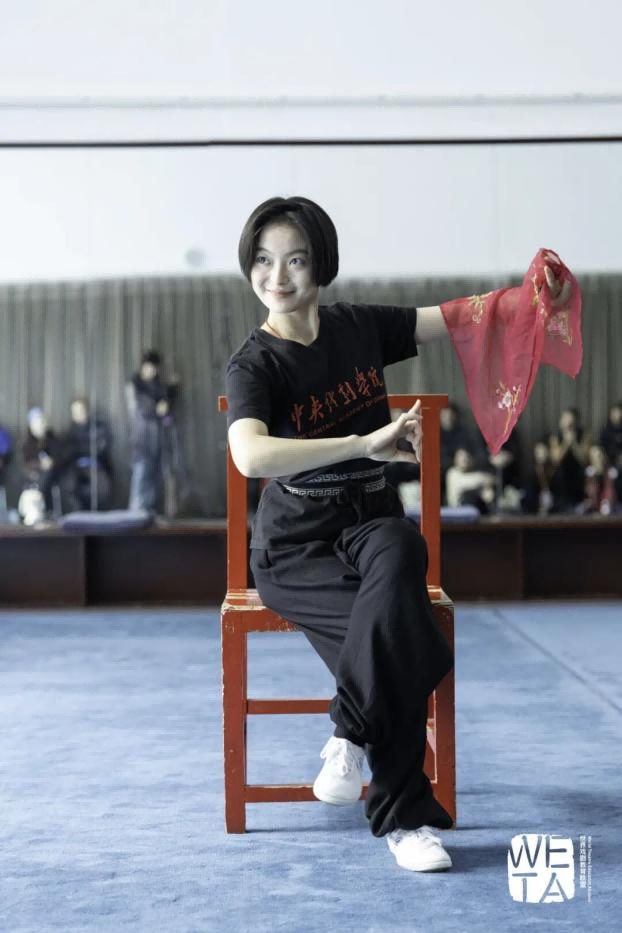
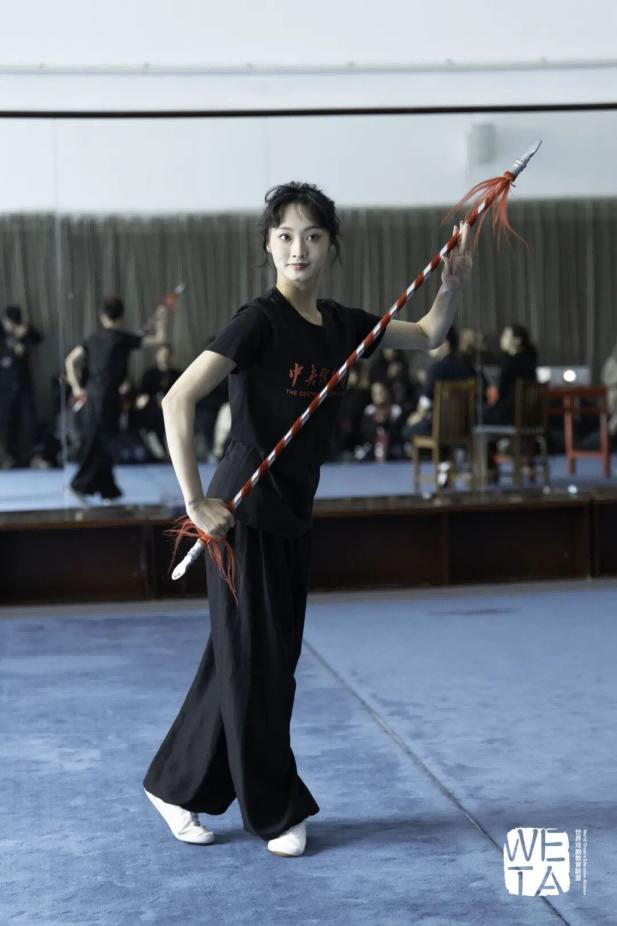
Student demonstrations
In the second session, Associate Prof. Sun provided detailed introductions to each of the "Four Skills" (singing, making speeches, miming, acrobatic fighting, and somersaults), using student demonstrations to offer concrete examples and to show the audience how to achieve deeper character expression. First, she explained that "singing" is not only for narration but also for conveying emotion. A student then performed a segment from The Heavenly Maiden Scatters Blossoms, using silk ribbons to complement the singing and showcase its artistry. Second, "making speeches" is performed without musical accompaniment and requires the actor to have clear diction and a precise rhythm. A student demonstrated this with a performance from The Thirteenth Sister, using a horsewhip to enhance the delivery. Third, "miming" is the most crucial means of expression on stage, which requires various methods to convey a character's emotions and thoughts. A student then performed a segment from Picking Up the Jade Bracelet, using pantomime to illustrate this point. The fourth skill is "acrobatic fighting," which refers to fighting with objects. Two students' collaborative performance of A Fast-Paced Spear Fight showcased the technical skills of it through their advances, retreats, attacks, and defenses.
In the third session, the instructor emphasised that the "Four Skills" are not isolated; the art of Peking Opera relies on their integration, a principle embodied even more profoundly in the "Five Methods": hand gestures, eye expressions, postures, gaits, and techniques. Subsequently, she gave detailed explanations of each: how "hand gestures" reveal a character's personality, emotions, and environment; how the "eye expressions" can see the non-existent as real, the real as non-existent, the near as far, and the illusory as true; how the "postures" is sculpted through upright, diagonal, bent, and bowed movements based on a fundamental stance; how "gaits" use pace and rhythm to express a character's status, gender, and age; and how "techniques", as the synthesis of all principles, integrates the "Four Skills and Five Methods" into a cohesive whole.
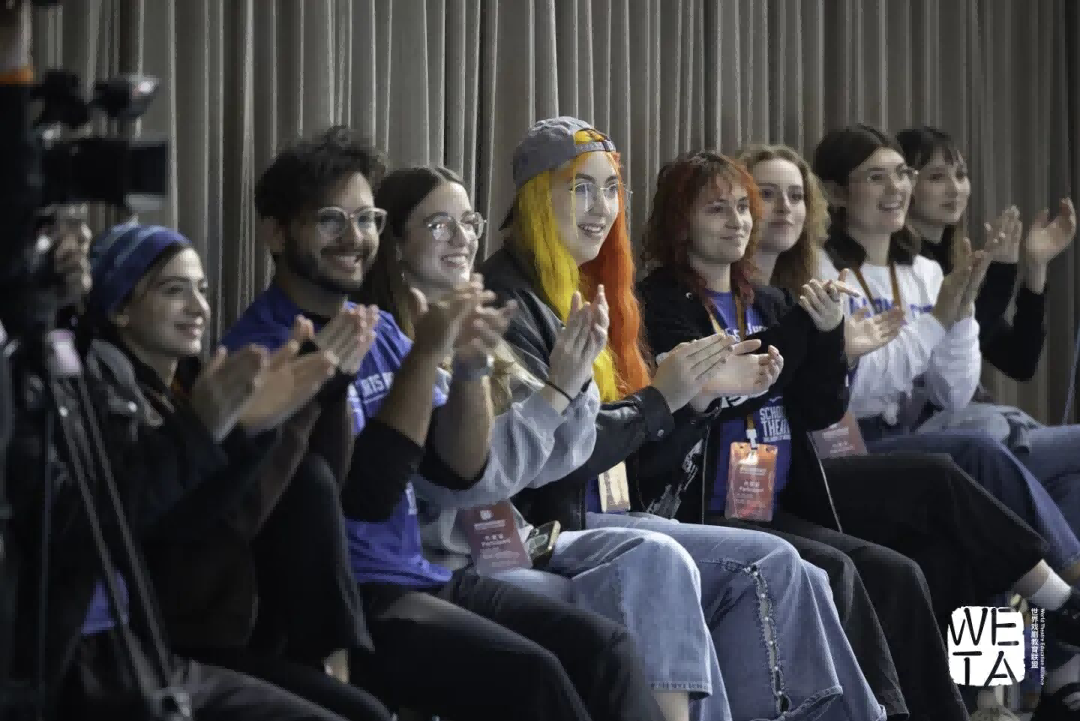
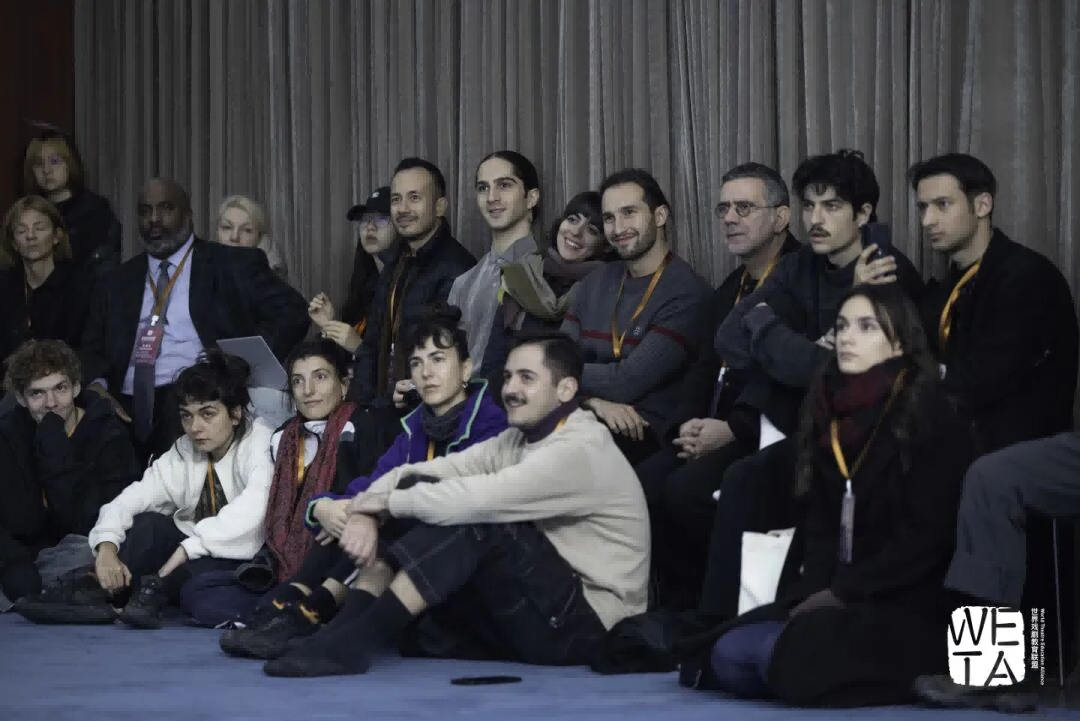
WTEA Participants in the workshop
Finally, the instructor invited all participants to apply the "Four Skills and Five Methods" they had just learned. Together, they acted out the entire sequence of a general preparing for battle, from adjusting their attire to opening and closing a door. Through shared practice, study, and exchange, the students and faculty from different nations deepened their understanding of China's rich traditional culture. The opening workshop concluded amidst enthusiastic applause and cheers.
02 "Training Exercises for Enhancing Visual and Auditory Concentration and Memory in Performing Arts"
& "The Art of Puppetry"
By Shota Rustaveli Theatre and Film Georgia State University, Georgia
On the morning of October 21, the Shota Rustaveli Theatre and Film Georgia State University held a workshop in Small Theatre 1, the CAD. Prof. George Shalutashvili and Prof. Nikoloz Sabashvili, Artistic Director of the Batumi International Puppet Theatre Festival, led in-depth sessions on two distinct themes: "Training Exercises for Enhancing Visual and Auditory Concentration and Memory in Performing Arts" and "The Art of Puppetry."
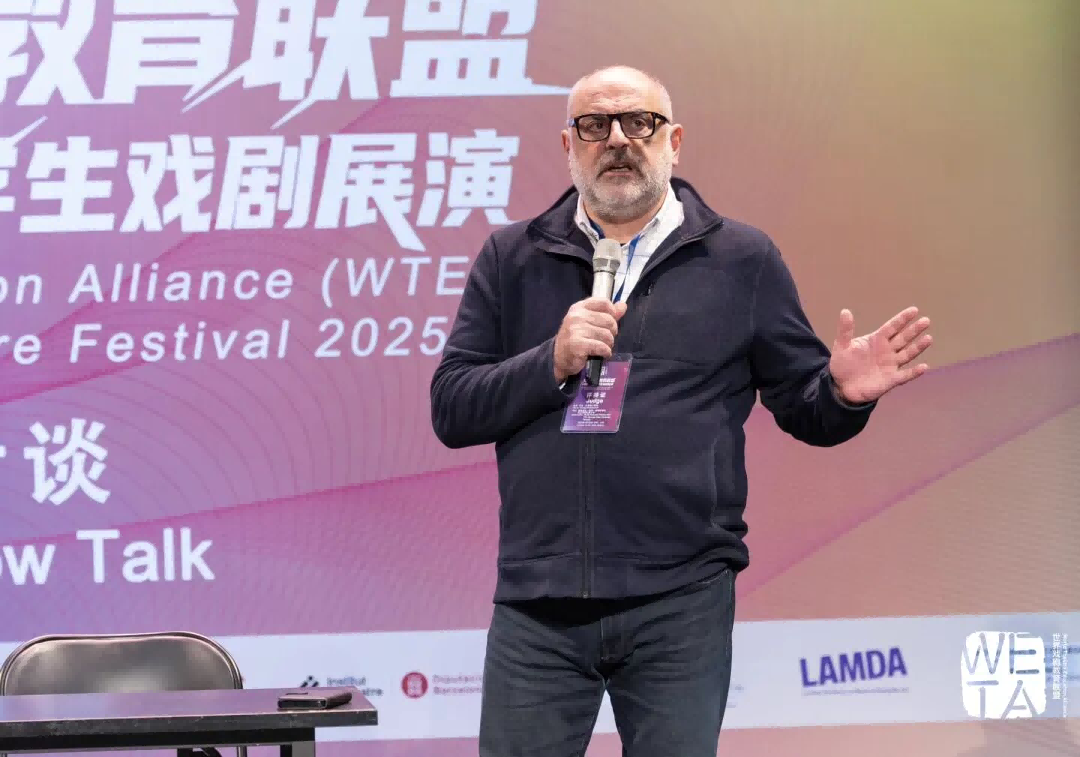
Prof. George Shalutashvili
In his session on training concentration and memory, Prof. Shalutashvili began by emphasising that concentration is an indispensable core skill in any performance discipline. He divided concentration into three dimensions—auditory, visual, and tactile—and designed a series of exercises to help participants enhance their performance skills by perceiving the presence of concentration through engaging games.
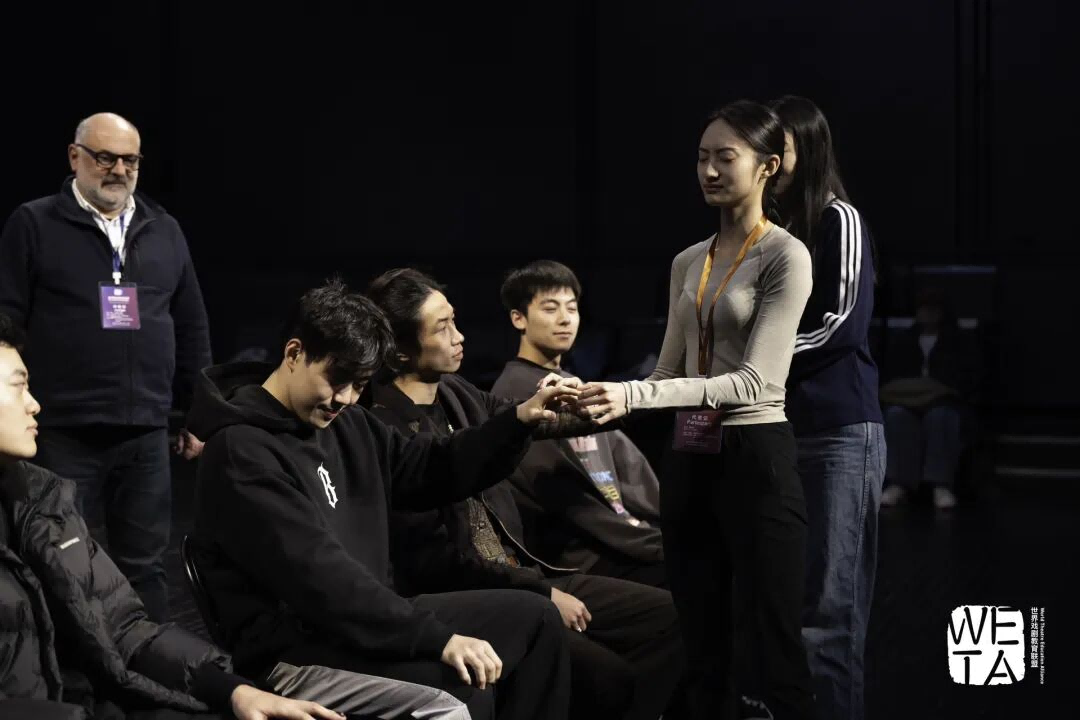
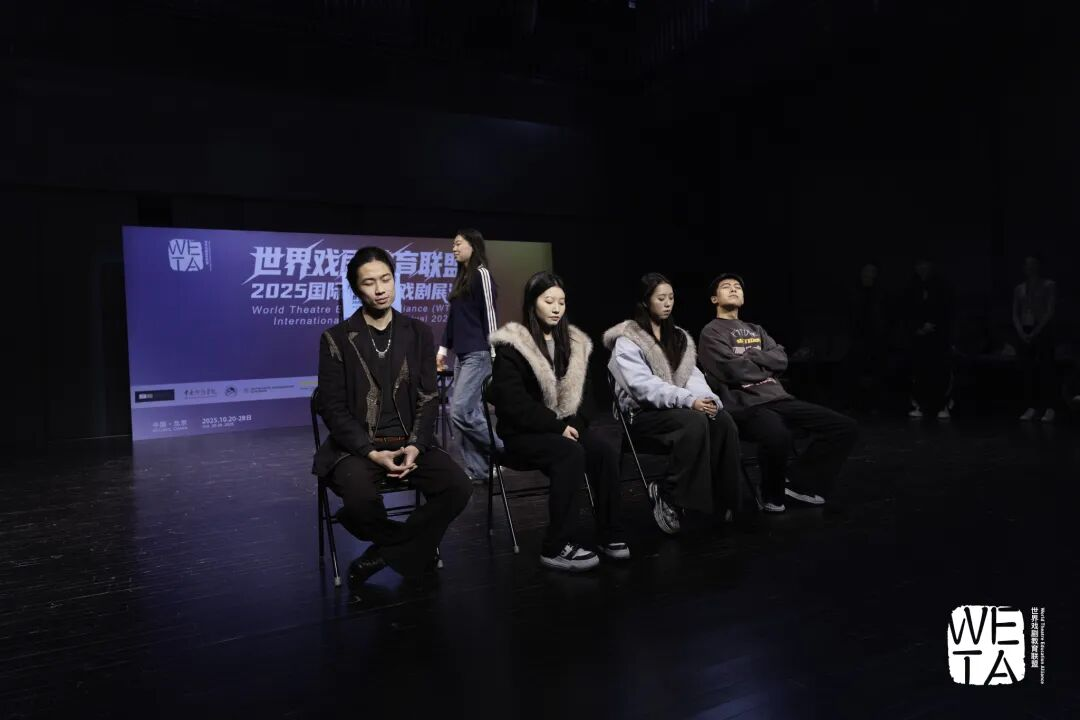
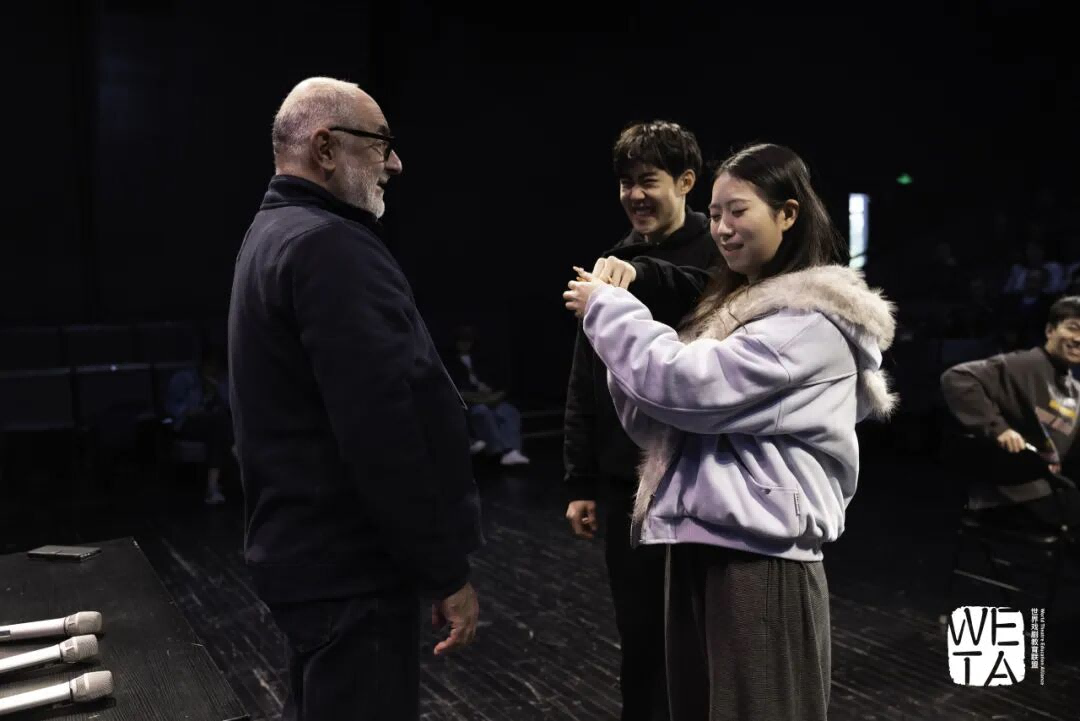
Participants in the workshop
The first concentration exercise, "Find the Objects," focused on visual perception. Participants were split into two groups: one had a minute to hide personal items while leaving subtle clues, and the other had three minutes to find all the hidden objects.
The second segment, "Identifying a Person by Sound," divided participants into a guessing group and an action group. The guessers sat in a row while members of the action group walked behind them. Prof. Shalutashvili then altered the walkers' sequence and speed, challenging the guessers to draw upon their memory of each person's footsteps to correctly identify them.
The third activity, "Word Chain," was aimed at memory reinforcement. Each participant said a word, and the next person had to repeat all previous words before adding a new one. In the initial round, relying solely on rote memory, most participants struggled. However, under the professor's guidance, they began to weave stories and scenes to build intrinsic connections between the words, leading to a significant improvement in memory efficiency for nearly everyone. Prof. Shalutashvili noted that this training method is particularly valuable for actors who must handle large volumes of text.
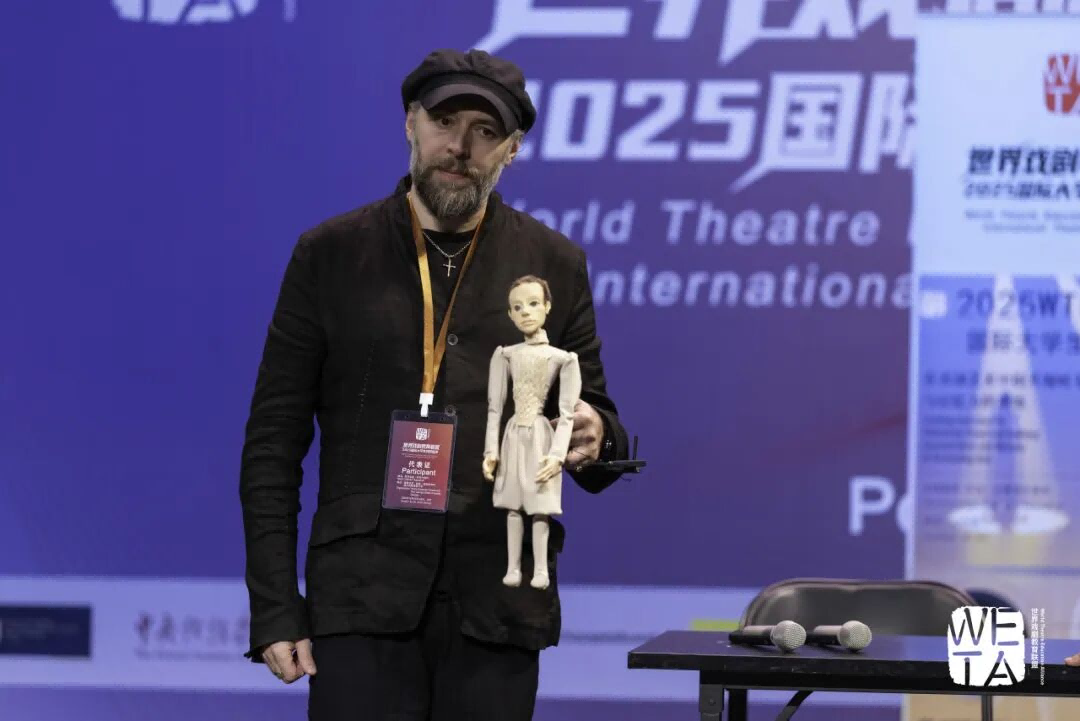
Prof. Nikoloz Sabashvili
Prof. Nikoloz Sabashvili's workshop on the art of puppetry was equally compelling. He emphasised that puppetry, a traditional art form, is undergoing a modern renaissance. His comprehensive exploration of the art covered industry development, performance systems, training methods, and puppet manipulation. Furthermore, he reviewed its historical interconnections with the Stanislavski and Meyerhold systems, alongside an analysis of emerging trends and future directions. He encouraged artists to innovate and challenge the stereotype that puppetry is only for children.
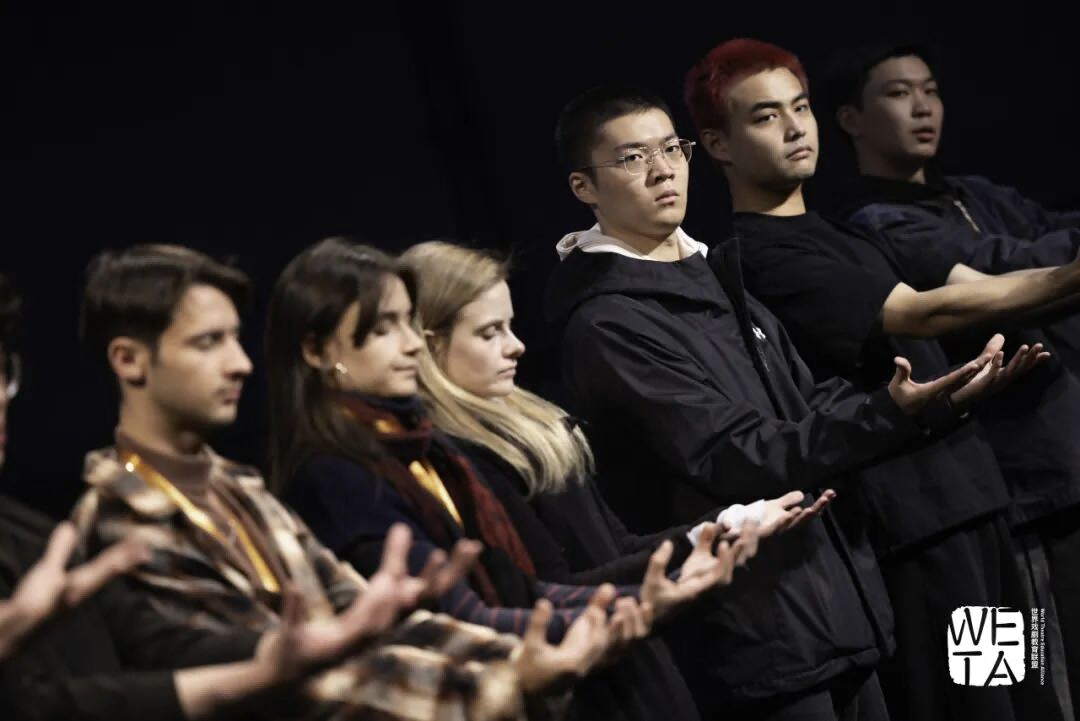
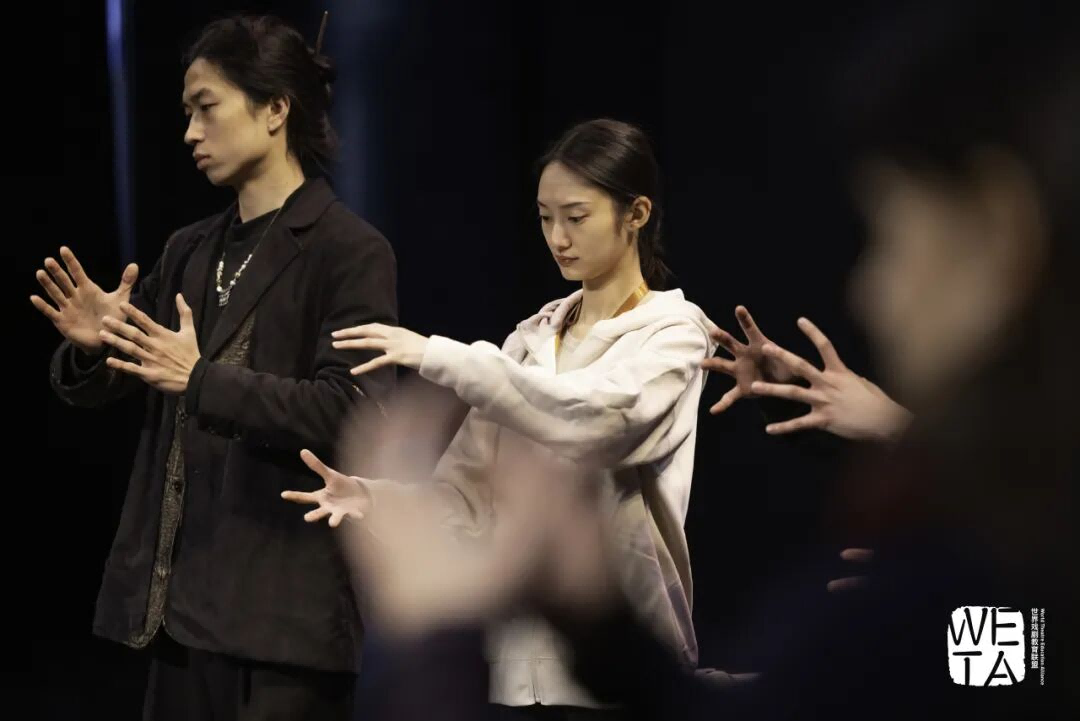
Participants in the workshop
In the first session of the workshop, Prof. Sabashvili outlined the history of puppetry in Georgia. He highlighted the growing number of puppeteers and puppet theatres, indicating a thriving industry. Georgian universities, supported by academic institutions and associations, have established puppetry majors with plans for further expansion. Prof. Sabashvili pointed out that the younger generation has shown a keen interest in puppetry, and artists like himself have founded puppet theatres to challenge the conventional notion that "puppetry is just for kids," bringing it into the realm of adults.
In the second session, Prof. Sabashvili introduced training methods for puppeteers. He explained that puppetry requires more than just manipulating the puppet; it demands a seamless unity between performer and puppet. Puppeteers must undergo rigorous physical training. Participants practiced imagining actions like holding a ball, parting their hands, and balancing a cup of water to feel the tension and relaxation throughout their bodies. These exercises, extending from the hands to the entire body, gradually enhanced physical awareness and control. The agility and coordination rooted in the puppeteer's body were ultimately reflected in the fluid, lifelike movements of the puppet.
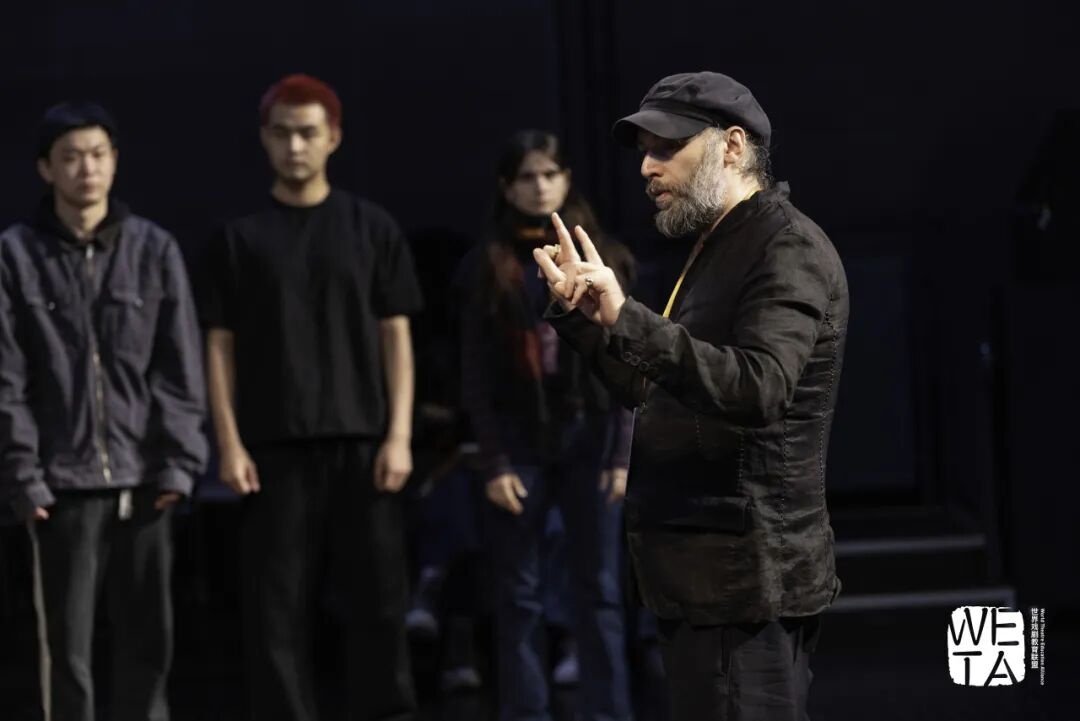
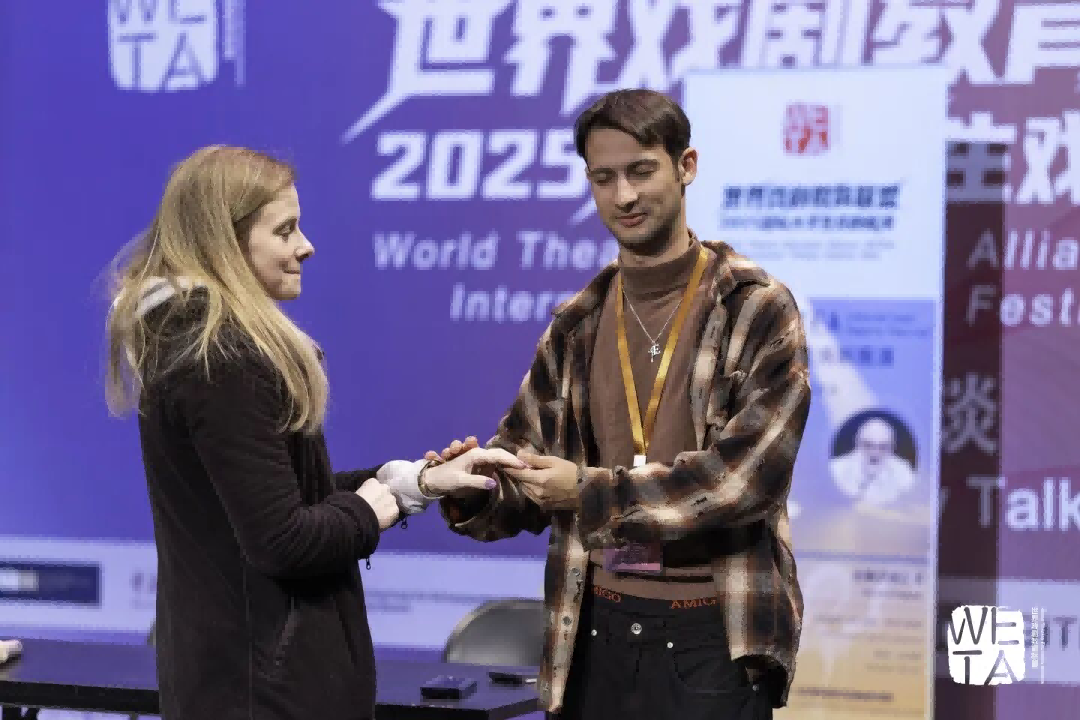
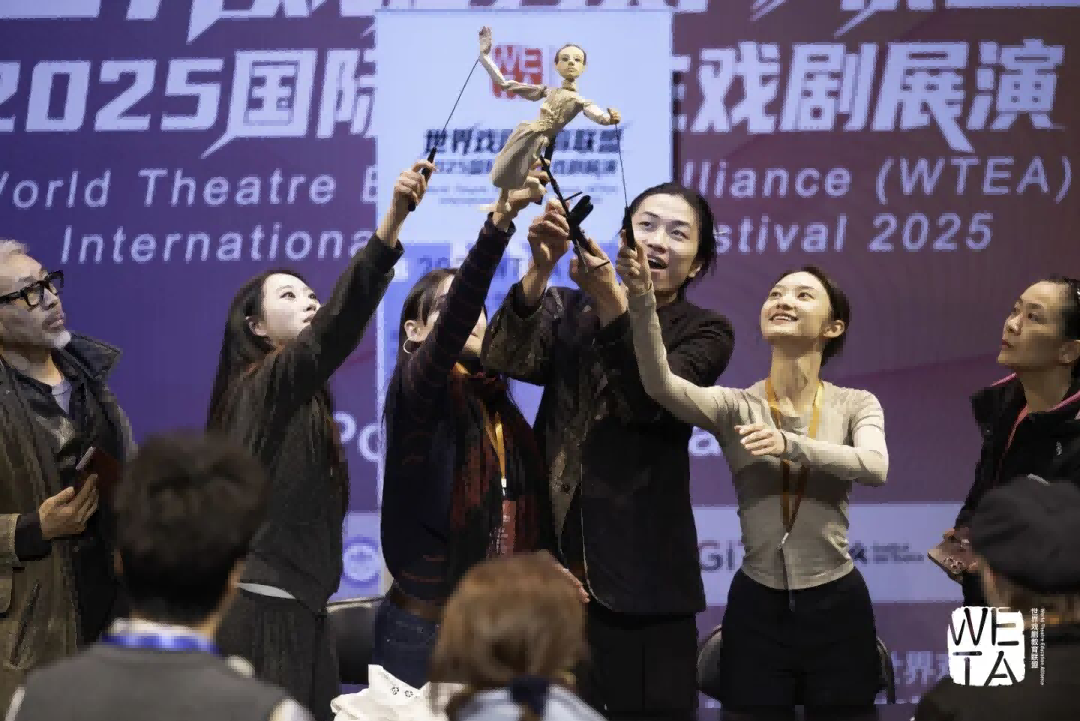
Participants in the workshop
In the third session, Prof. Sabashvili led participants in stage awareness training. Forming a semicircle, they exchanged names for a set period, using sight, touch, and other senses to commit each other's features to memory. They then moved around the stage randomly to develop a feel for the space. Finally, with their eyes closed, they were prompted by Prof. Sabashvili's questions to mentally recall everything from the stage and other participants to a specific audience member in a corner. As the professor noted, once actors step on stage, they must be like hunters—acutely aware of every detail in their environment and fully connecting their physical senses to it. This awareness, he stressed, is crucial to theatrical performance.
In the fourth session, the instructor demonstrated the performance characteristics of multi-person-operated puppets. He explained that a single puppet often requires three puppeteers working in concert, with its focal point being the nose rather than the eyes. During a performance, the puppeteers remain concealed in the shadows behind the puppet, maintaining a precise distance. Through the puppet itself, emotion and attitude can be expressed, much like an actor with a rich inner life. A greater diversity of performance than a human actor can even be offered, creating astonishing stage effects—for instance, a puppet can appear to fly without technical aids or interact with objects far larger than itself.
At the workshop's conclusion, Prof. Sabashvili invited participants on stage to experience the magic of puppet manipulation firsthand. He expressed his hope that more artists would engage in the creation and performance of puppetry, driving this traditional art form to embrace creative innovation and technological change in the contemporary era.
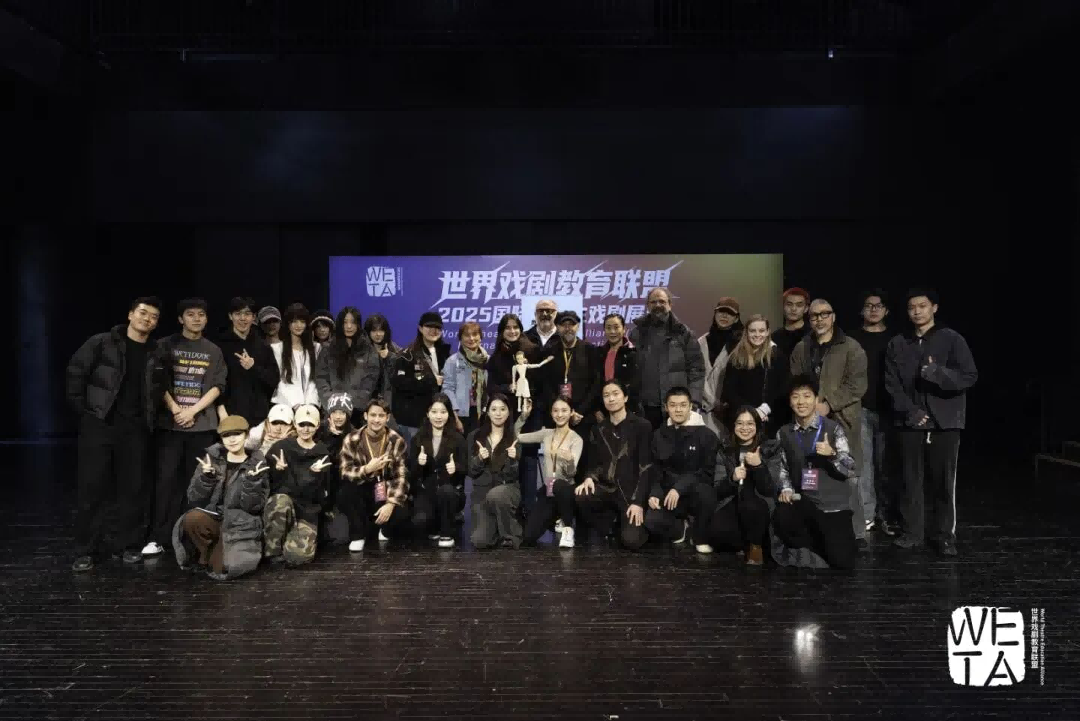
Group photo
03 "The Dance of Romeo and Juliet"
By National Academy of Theatre and Film Arts "Kr. Sarafov", Bulgaria
On the morning of October 22, Alexander Mandzhukov, a lecturer at the National Academy of Theatre and Film Arts "Kr. Sarafov" and head of the Dance Theatre program, led a workshop themed "The Dance of Romeo and Juliet." This workshop guided participants through a process of physical exploration and emotional expression, framed by key questions: How can the language of physical theatre be effectively employed in extreme dramatic situations? During this exploration, how can the body's points of initiation be controlled to achieve deeper emotional expression with greater physical lightness? In the context of dance theatre, how can a pas de deux create a richer, silent emotional dialogue between characters? Answering these questions hinges on an actor's foundational physical flexibility and coordination.
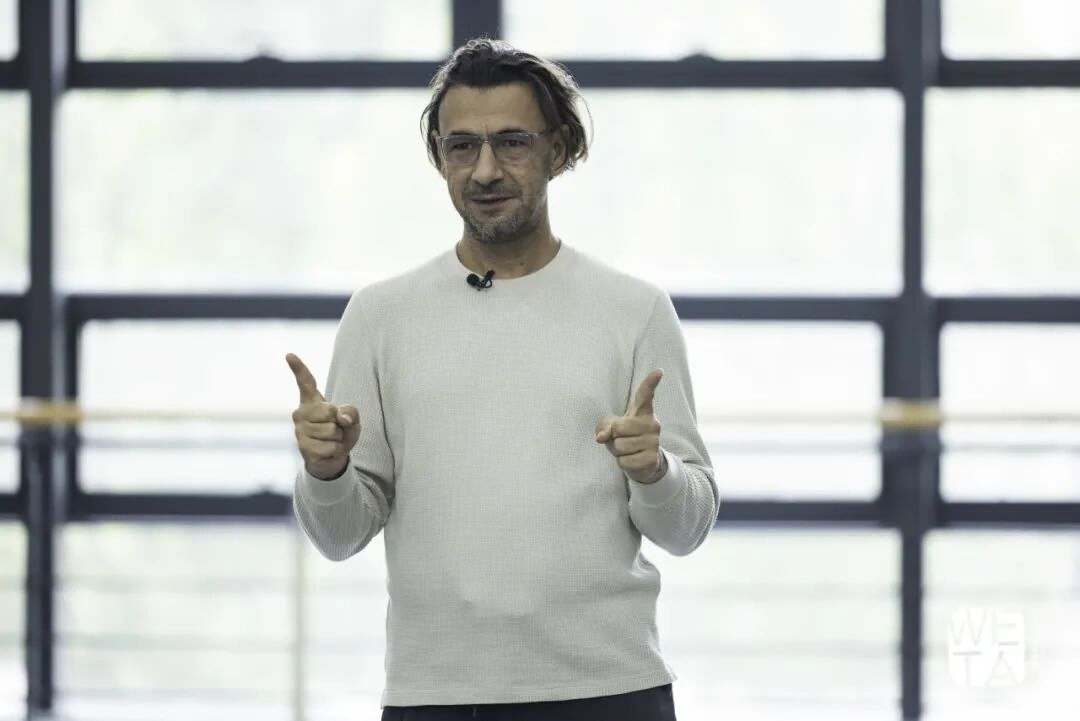
Prof. Alexander Mandzhukov
To begin, the first session began with a warm-up led by Prof. Mandzhukov and two student actors from his academy. They demonstrated how to activate various parts of the body to achieve more agile and fluid movement, preparing participants for the more profound dramatic expression to follow. For a dance theatre performer, the body is the sole medium of expression. Every point of initiation and centre of gravity is crucial, as it not only physically manifests the character's emotions but also shapes each moment of the performance, contributing to the overall artistic statement. After that, foundational exercises were conducted. Prof. Mandzhukov selected several key solo movements from a full dance piece based on "The Dance of Romeo and Juliet," deconstructing and demonstrating the initiation points and core techniques for each. He then provided attentive one-on-one guidance and feedback as the participants practiced.
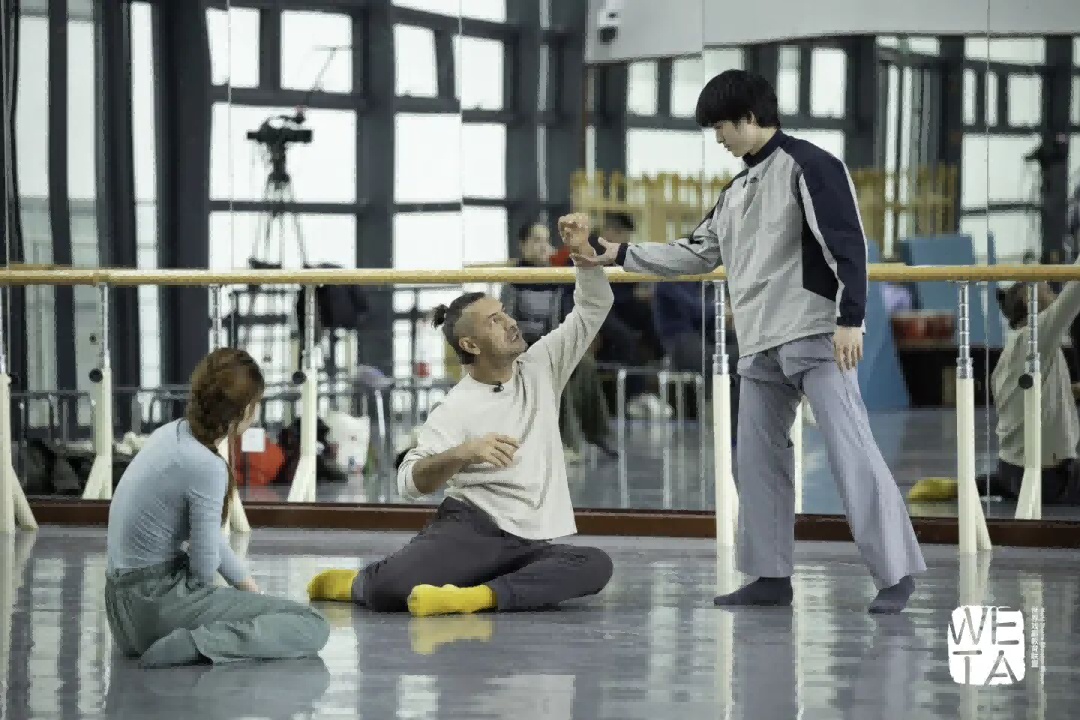
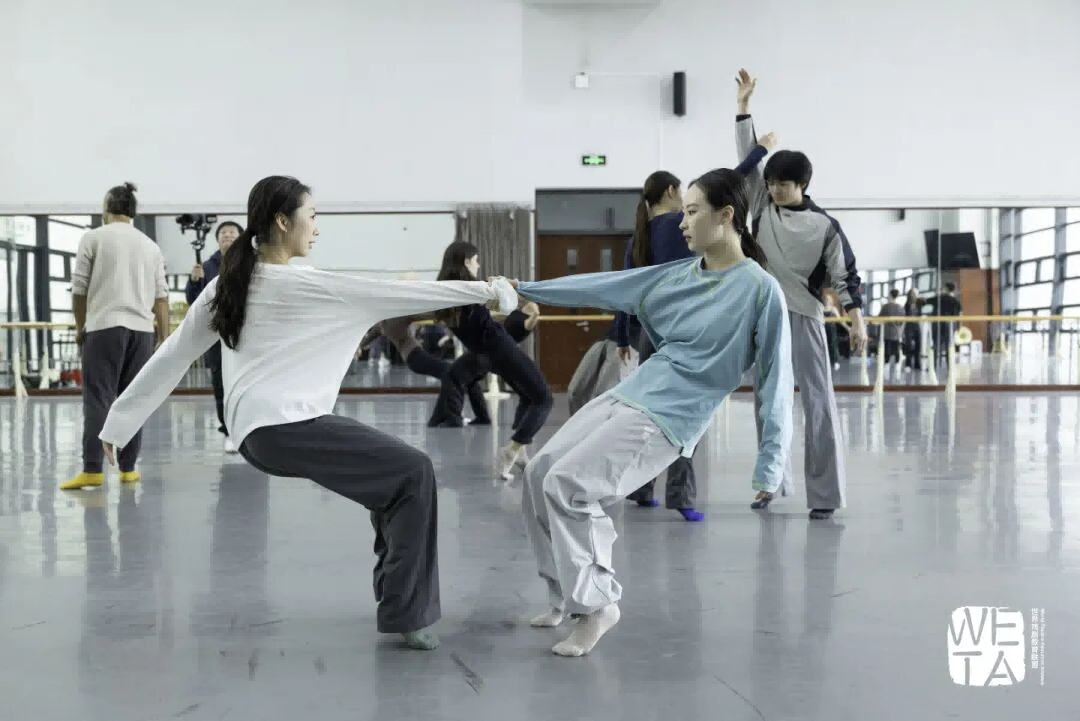
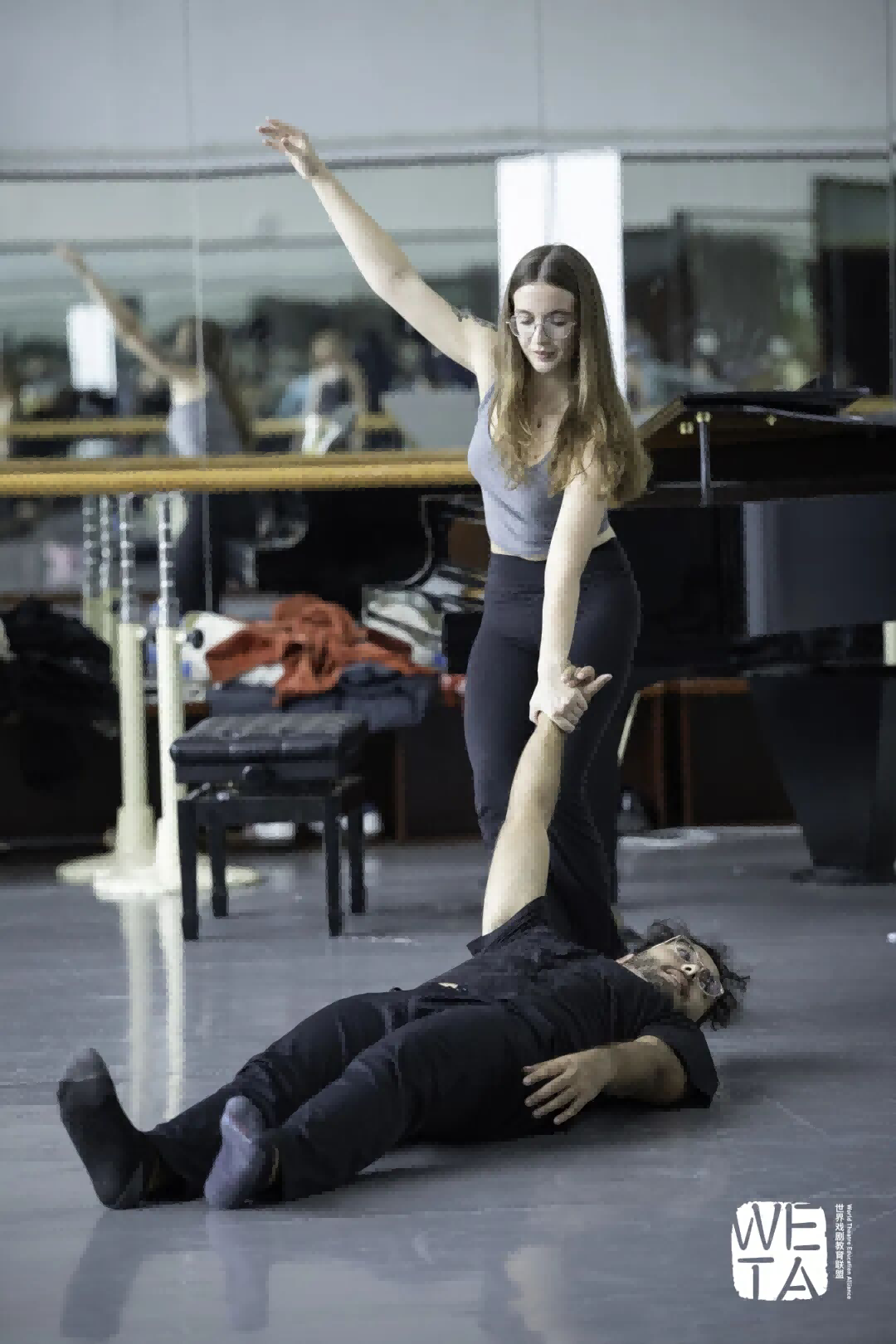
Participantsin the workshop
In the second session, using the same "demonstration-and-practice" approach, Prof. Mandzhukov organised the participants into groups to build upon the solo work. He gradually incorporated more interaction and continuity to explore the communicative elements of a duet. The progression from solo emotional expression to a pas de deux depicting Romeo's discovery of his seemingly lifeless love demanded a more rigorous emotional logic in the choreography and a heightened chemistry between partners. This development rapidly intensified the characters' emotional state, adding layers of complexity to the movements' initiation points and flow. Throughout this process, Prof. Mandzhukov moved actively among the participants, offering detailed and targeted instruction to each one. Particularly impressive was his physical portrayal of and conceptual approach to the image of "death." For instance, to help the actor portraying Romeo's grief and bewilderment, Mandzhukov designed a movement where Romeo drags Juliet's body. By stabilising the hip joint and generating force from the core and knees, the actor playing Romeo could achieve a precise, grief-stricken backward-leaning posture. For the actor playing the "seemingly dead" Juliet, the professor instructed them to consciously control which muscles to engage and which to relax—using relaxed arms to assist their partner in applying force and coordination, while keeping the rest of the body tense to replicate the rigidity of a corpse. This technique captured the despair of Shakespeare's tragic scene.
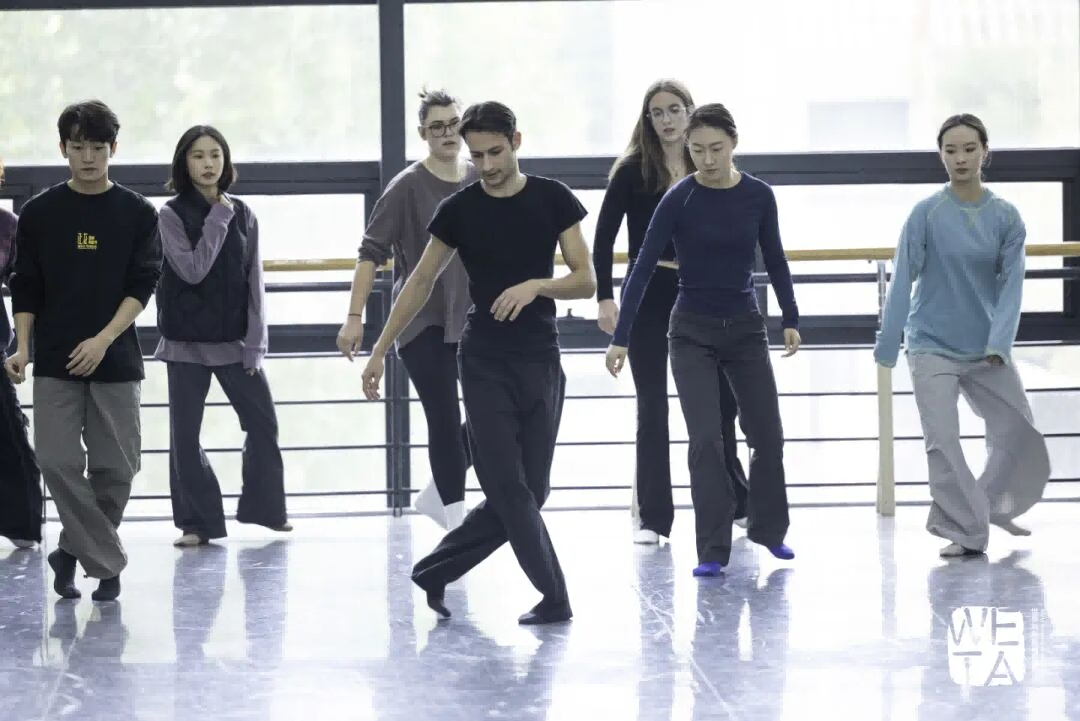
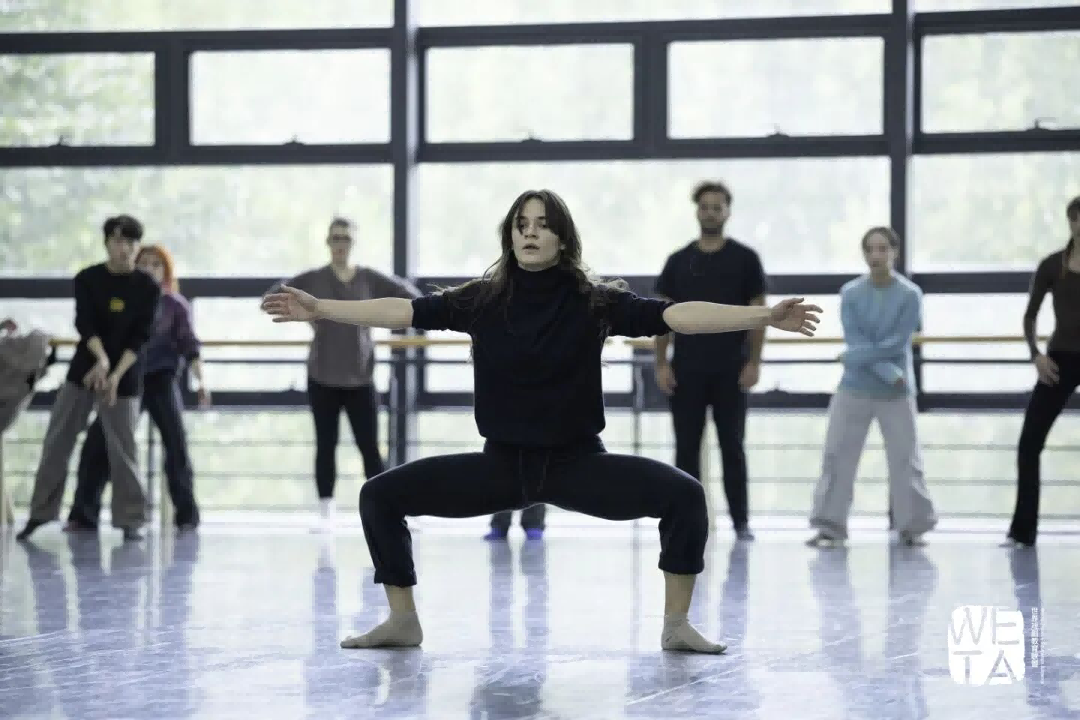
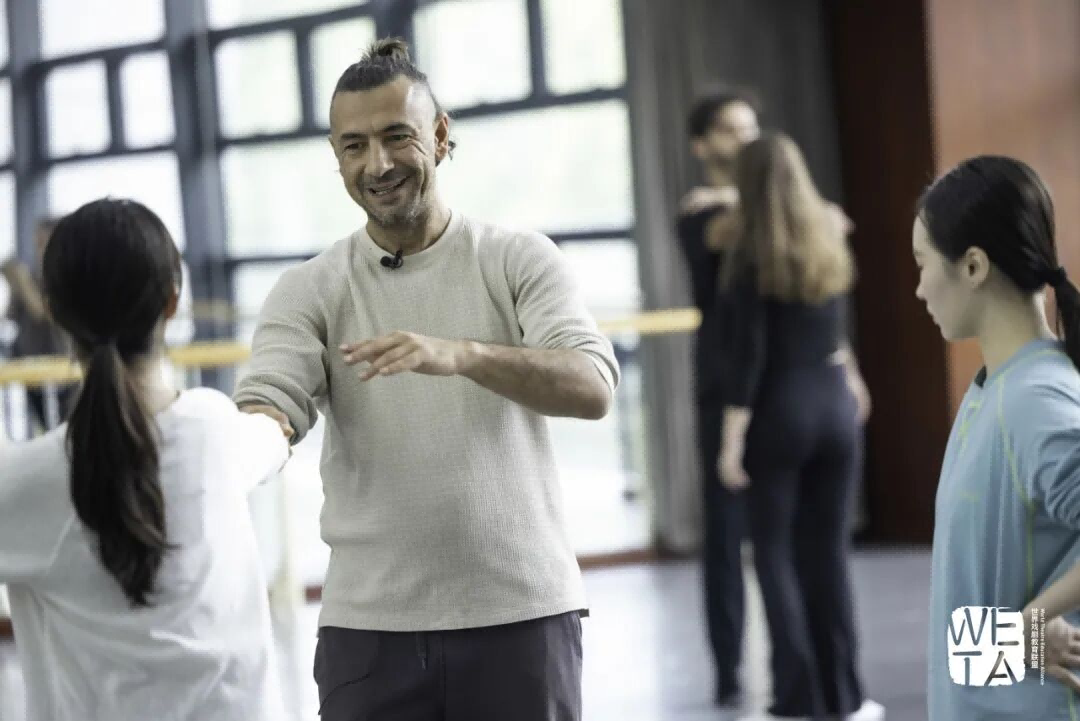
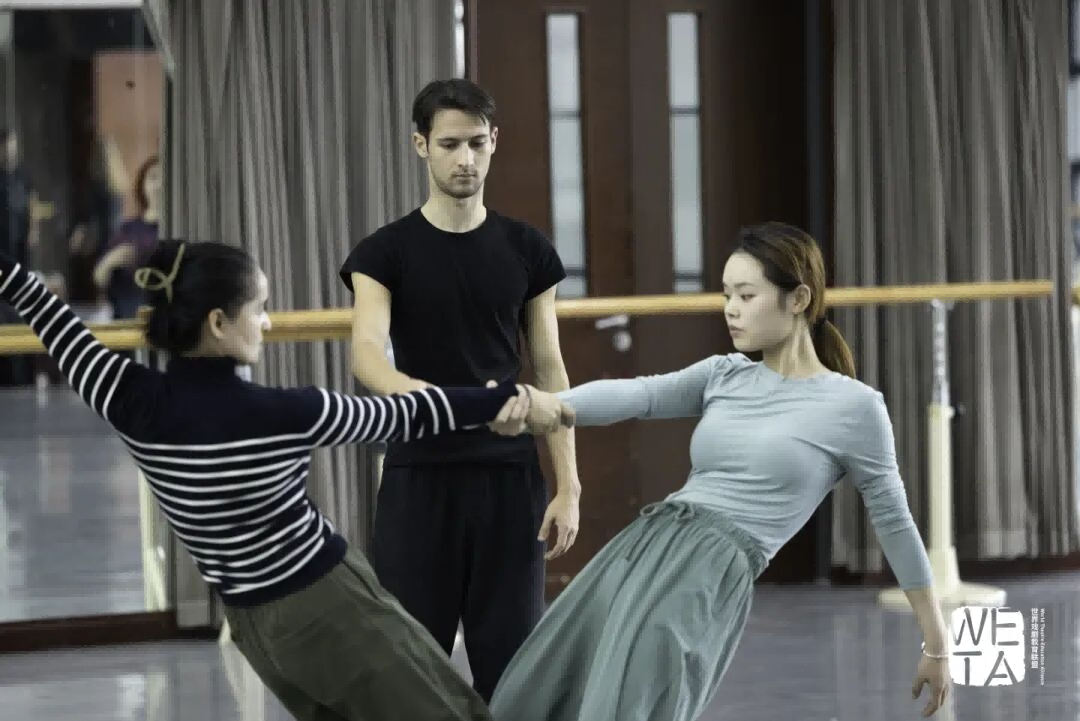
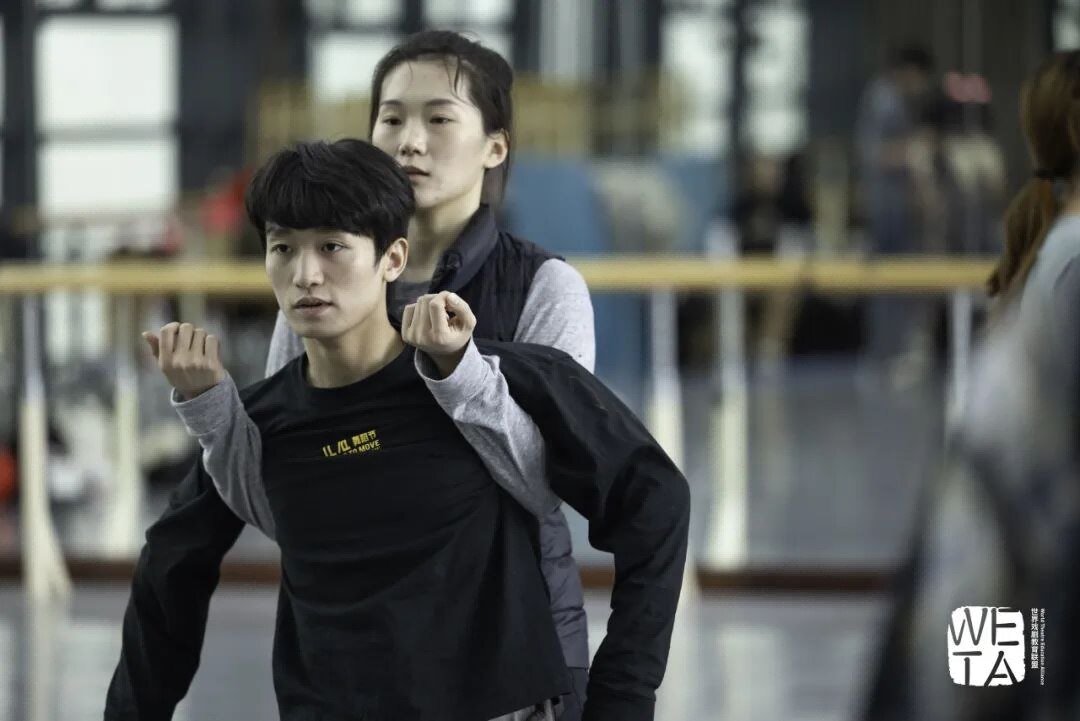
Participants in the workshop
At the end of the workshop, Prof. Mandzhukov reserved time for a Q&A. A student from the Department of Dance Drama at the CAD asked: "As a choreographer, your presentation centred on 'The Dance of Romeo and Juliet' is incredibly expressive. When directing actors, is there a hierarchy between internal emotion and physical expression in the creative process?" The professor responded that an actor's primary existence is as the character, and all physical expression serves to carve out space for that character's emotions. Therefore, the emotional journey of the character is the continuous axis of the creative process, guiding every action the actor takes. While an actor's physical expression might differ slightly in each performance, this doesn't signify imprecision; rather, it reflects the deliberate freedom given to the actor for personal interpretation. Ultimately, every choice is subordinate to and in service of the character's emotional truth. Other students inquired about the training methods and curriculum at the professor's academy and, in turn, introduced the teaching philosophy of the Department of Dance Drama at the CAD. In their exchange, both sides expressed mutual admiration for each other's teaching philosophies and curriculum design.

Group photo